

Introduction
In today's world, where environmental concerns are at the forefront of global discussions, businesses are increasingly recognizing the importance of embracing sustainability. Eco-conscious entrepreneurship is a concept that aligns business practices with environmental responsibility.
Definition of eco-conscious entrepreneurship
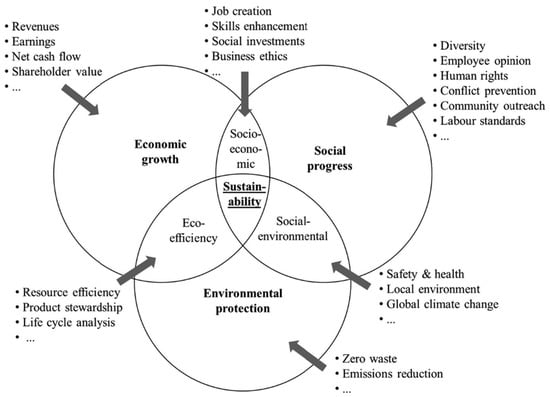
Eco-conscious entrepreneurship refers to the integration of sustainable practices into business operations. It involves considering the environmental impact of every decision made, from sourcing materials to manufacturing processes and waste management. By adopting eco-friendly practices, businesses can contribute to a healthier planet while also gaining a competitive edge in the market.
Importance of sustainability in business
Sustainability is no longer just a buzzword; it has become a business imperative. Here are some key reasons why businesses should prioritize sustainability:
Environmental Stewardship: By embracing sustainability, businesses play a crucial role in protecting natural resources, reducing pollution, and mitigating climate change.
Cost Savings: Sustainable practices often lead to cost savings in the long run. Energy-efficient operations, waste reduction, and recycling initiatives can result in lower expenses and increased profitability.
Enhanced Reputation: Consumers are increasingly conscious of the environmental impact of their purchasing decisions. By demonstrating a commitment to sustainability, businesses can attract environmentally-minded customers and build a positive brand image.
Regulatory Compliance: Governments around the world are implementing stricter regulations related to environmental protection. By proactively adopting sustainable practices, businesses can ensure compliance and avoid potential legal issues.
In conclusion, embracing eco-conscious entrepreneurship and prioritizing sustainability is not only beneficial for the environment but also for businesses themselves. By integrating sustainable practices into their operations, businesses can contribute to a greener future while also reaping numerous advantages in terms of cost savings, reputation building, and regulatory compliance.
Understanding the Environmental Impact
Environmental challenges faced by businesses
Businesses today face numerous environmental challenges due to their operations and practices. These challenges include pollution, deforestation, greenhouse gas emissions, and waste generation. These activities contribute to climate change and the depletion of natural resources, posing significant risks to the environment and future generations.
The role of businesses in environmental conservation
Recognizing the importance of environmental conservation, businesses are increasingly embracing sustainability as a business imperative. By adopting eco-conscious practices, businesses can reduce their carbon footprint, conserve resources, and minimize negative impacts on the environment. This not only helps protect the planet but also enhances brand reputation and attracts environmentally conscious consumers.
Businesses can take various steps to embrace sustainability, such as implementing energy-efficient technologies, using renewable energy sources, reducing waste through recycling and reusing, and promoting sustainable supply chains. Additionally, businesses can collaborate with environmental organizations, support conservation initiatives, and engage in community outreach programs to raise awareness about environmental issues.
By prioritizing sustainability and integrating eco-conscious practices into their operations, businesses can play a crucial role in mitigating environmental challenges and creating a more sustainable future for all.
Incorporating Sustainable Practices
In today's world, businesses are increasingly recognizing the importance of sustainability. Embracing eco-conscious entrepreneurship not only benefits the environment but also contributes to long-term business success.
Implementing renewable energy sources
One way to incorporate sustainable practices into your business is by utilizing renewable energy sources. Installing solar panels or wind turbines can help reduce your carbon footprint and lower energy costs in the long run. By embracing clean energy, you not only contribute to a greener future but also showcase your commitment to sustainability.
Reducing waste and promoting recycling
Another crucial aspect of eco-conscious entrepreneurship is waste reduction and recycling. Implementing strategies to minimize waste production, such as using reusable packaging or encouraging customers to bring their own bags, can make a significant impact. Additionally, promoting recycling within your business and providing proper disposal options for employees and customers can help create a more sustainable ecosystem.
By incorporating these sustainable practices into your business operations, you not only contribute to a healthier planet but also attract environmentally conscious customers. Embracing sustainability as a business imperative not only aligns with global efforts to combat climate change but also positions your brand as a responsible and forward-thinking entity in the marketplace.

Sustainable Supply Chain Management
Choosing eco-friendly suppliers
In today's world, where environmental concerns are at the forefront, embracing sustainability as a business imperative is crucial. One key aspect of this is sustainable supply chain management. By choosing eco-friendly suppliers, businesses can ensure that their products or services are sourced and produced in an environmentally responsible manner. This not only aligns with the values of conscious consumers but also helps to reduce the overall carbon footprint of the supply chain.
Reducing carbon footprint in the supply chain
Another important aspect of sustainable supply chain management is reducing the carbon footprint throughout the entire supply chain process. This can be achieved by implementing measures such as optimizing transportation routes, using energy-efficient technologies, and adopting green packaging practices. By taking these steps, businesses can minimize their impact on the environment and contribute to a more sustainable future.
By prioritizing sustainability in supply chain management, businesses can not only meet the growing demand for eco-conscious products but also enhance their reputation as responsible corporate citizens. Embracing sustainability as a business imperative is not only beneficial for the environment but also for long-term business success.

Ethical and Responsible Marketing
In today's world, where environmental concerns are at the forefront, embracing sustainability as a business imperative is not only the right thing to do but also a smart marketing strategy. Ethical and responsible marketing practices can help businesses gain a competitive edge while making a positive impact on the planet.
Promoting eco-friendly products and services
One way to embrace sustainability is by offering eco-friendly products and services. By promoting these offerings, businesses can attract environmentally conscious consumers who prioritize sustainable options. Highlighting the benefits of these products, such as reduced carbon footprint or use of renewable materials, can resonate with customers and differentiate your brand from competitors.
Avoiding greenwashing and misleading advertising
While promoting eco-friendly products is important, it is equally crucial to avoid greenwashing and misleading advertising. Greenwashing occurs when businesses falsely claim their products or practices are environmentally friendly. This can lead to a loss of trust and credibility among consumers. By being transparent and providing accurate information about your sustainability efforts, you can build trust with your audience and establish your brand as genuinely committed to sustainability.
By embracing sustainability as a business imperative and adopting ethical marketing practices, businesses can not only contribute to a greener future but also attract environmentally conscious consumers who value sustainability. It's a win-win situation that benefits both the planet and your bottom line.




No comments:
Post a Comment