

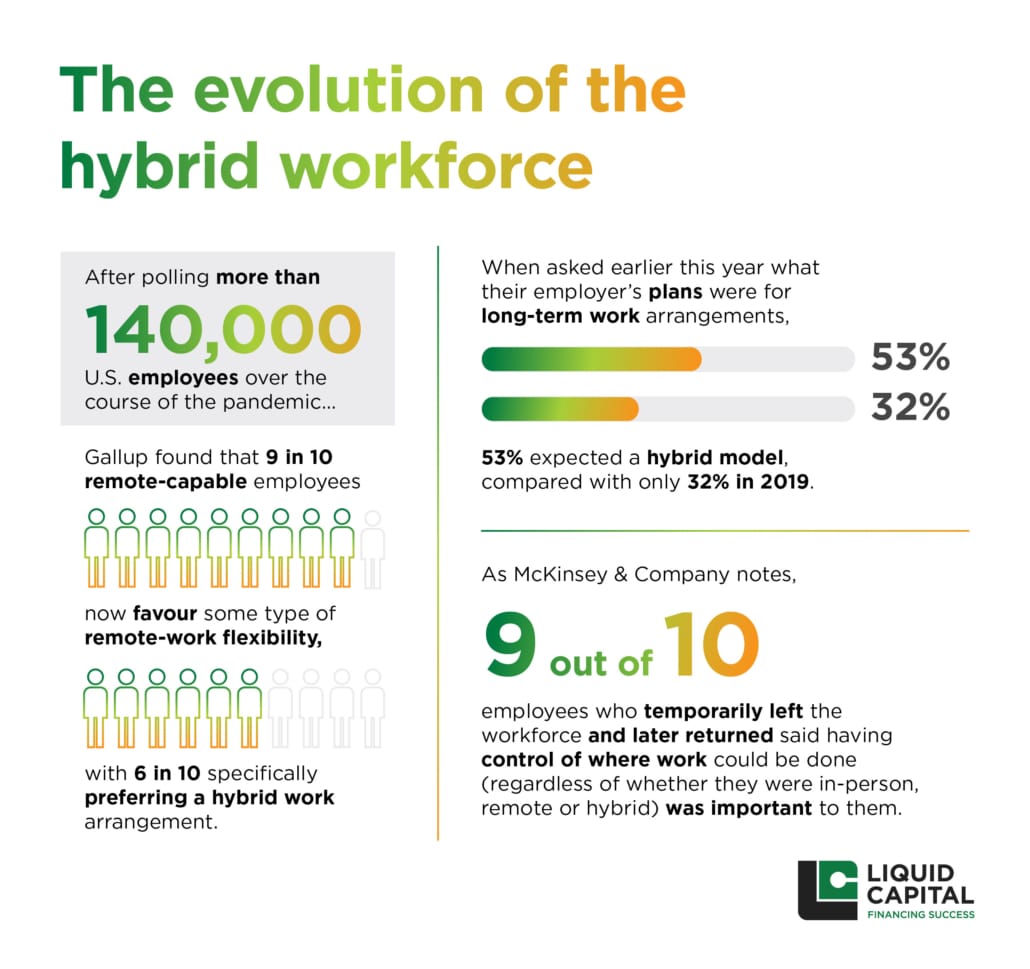
Introduction
The COVID-19 pandemic has revolutionized the way we work, with remote work becoming the new norm. As we navigate the future, a new era of remote work, known as Remote Work 2.0, is emerging. This article explores the concept of remote work and its evolution, as well as the definition of hybrid workforces.
The concept of remote work and its evolution
Remote work refers to the ability to perform work tasks outside of a traditional office setting. It gained popularity during the pandemic as businesses adapted to social distancing measures. Remote Work 2.0 takes this concept further by incorporating lessons learned from the initial transition. It emphasizes flexibility, collaboration, and technology integration to create a more sustainable and efficient remote work environment.
Defining hybrid workforces
Hybrid workforces combine both remote and in-person work arrangements. It allows employees to have the flexibility to choose where they work based on their preferences and job requirements. This model offers benefits such as increased productivity, reduced commuting time, and improved work-life balance. However, it also presents challenges in terms of communication, team cohesion, and maintaining company culture.
As we embrace Remote Work 2.0 and navigate the future of hybrid workforces, organizations must adapt their policies, technologies, and management strategies to ensure success in this new era of work.

Benefits of Hybrid Workforces
Increased flexibility and work-life balance
One of the key benefits of hybrid workforces is the increased flexibility it offers to employees. With a mix of remote and in-office work, employees have the freedom to choose when and where they work, allowing for better work-life balance. This flexibility can lead to higher job satisfaction and improved mental well-being, resulting in increased productivity and employee retention.
Cost savings for companies
Implementing a hybrid workforce model can also result in significant cost savings for companies. With fewer employees working in the office, there is a reduced need for office space, utilities, and other associated expenses. Companies can also save on commuting allowances and other employee benefits. These cost savings can be redirected towards other areas of the business or invested in employee development and growth.
Access to a wider talent pool
By embracing hybrid workforces, companies can tap into a wider talent pool. With remote work options, geographical boundaries are no longer a limiting factor when hiring new employees. This opens up opportunities to attract top talent from different locations, bringing in diverse perspectives and skills to the organization. Access to a wider talent pool can drive innovation and help companies stay competitive in today's global market.
As the future of work continues to evolve, hybrid workforces offer numerous benefits for both employees and companies. By embracing this flexible model, organizations can create a more productive, cost-effective, and inclusive work environment.

Challenges of Hybrid Workforces
Maintaining team collaboration and communication
One of the main challenges that arise with hybrid workforces is the need to maintain effective collaboration and communication among team members. With some employees working remotely and others in-person, it can be difficult to ensure that everyone is on the same page and working together seamlessly. Employers need to invest in tools and technologies that facilitate virtual collaboration, such as project management software, video conferencing platforms, and instant messaging apps.
Ensuring equal opportunities for remote and in-person employees
Another challenge is ensuring that remote and in-person employees have equal opportunities for growth and advancement within the organization. It's important to create a level playing field by providing remote employees with the same access to resources, training, and career development opportunities as their in-person counterparts. This can help prevent feelings of exclusion or inequality among team members.
Managing work-life boundaries
With the blurring of boundaries between work and personal life in a hybrid work environment, it becomes crucial for employers to help their employees establish and maintain healthy work-life boundaries. This includes setting clear expectations around working hours, encouraging breaks and time off, and promoting a culture of work-life balance. Employers should also provide resources and support for mental health and well-being to ensure that employees are able to thrive both personally and professionally.

Strategies for Successful Hybrid Workforces
Implementing effective communication tools and platforms
In the era of remote work 2.0, where hybrid workforces are becoming the new norm, it is crucial for organizations to invest in effective communication tools and platforms. These tools enable seamless collaboration and information sharing among team members, regardless of their physical location. From video conferencing platforms to project management tools, there are numerous options available to facilitate communication and keep everyone connected. By implementing these tools, businesses can ensure that their hybrid workforce remains productive and engaged.
Establishing clear expectations and guidelines
With employees working both remotely and in the office, it is essential to establish clear expectations and guidelines for everyone. This includes defining work hours, communication protocols, and deliverables. Clear guidelines help to maintain consistency and ensure that all team members are on the same page. Additionally, it is important to set realistic goals and provide regular feedback to keep employees motivated and accountable. By establishing these expectations and guidelines, organizations can navigate the future of hybrid workforces successfully.




No comments:
Post a Comment